


World Heart Day 2026: 6 Simple Ways to Reduce Heart Attack Risk, Habits to Start Today
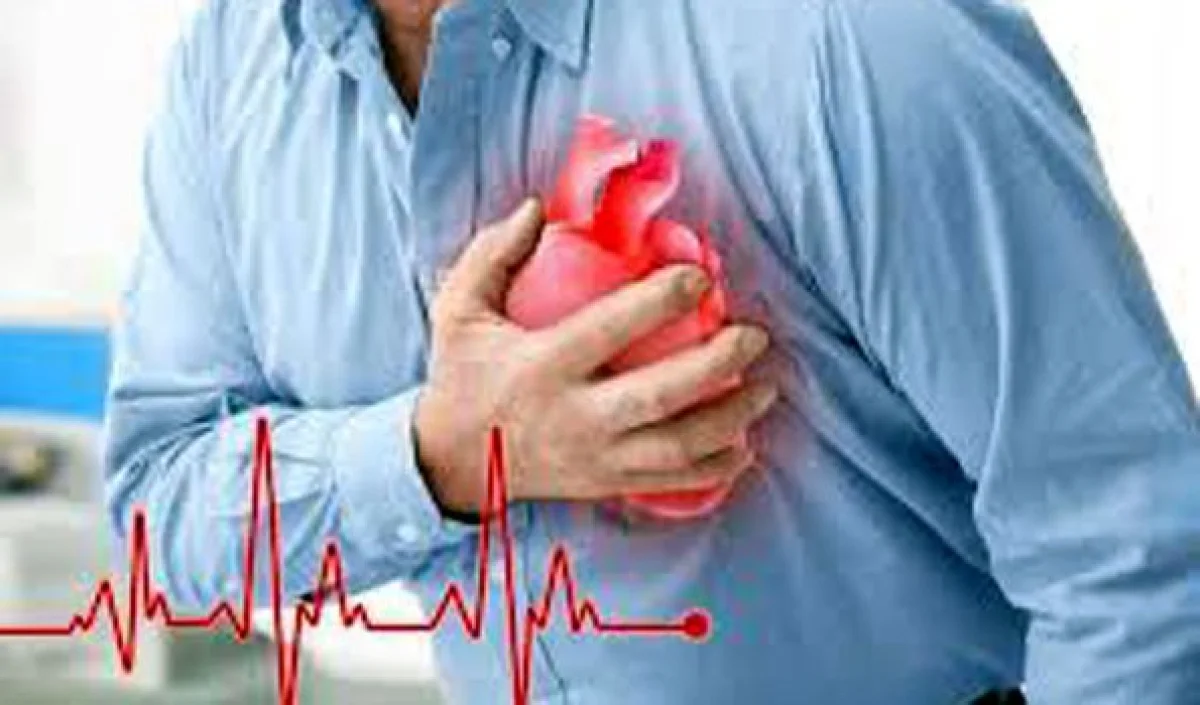
World Heart Day is observed every year on September 29 to raise awareness about cardiovascular health and the importance of preventing heart disease. The theme for 2026 is “Don’t Miss a Beat.”
Heart disease remains one of the leading causes of death worldwide. According to the World Health Organization, cardiovascular diseases caused an estimated 19.8 million deaths in 2022. Maintaining a healthy lifestyle, managing risk factors and getting regular medical check-ups can help lower the risk of heart disease and heart attack.
Major Risk Factors for Heart Disease
Several factors can increase the risk of cardiovascular disease, including:
- High blood pressure or hypertension
- High cholesterol
- Diabetes
- Smoking and tobacco use
- Obesity or excess body weight
- Physical inactivity
- Excessive alcohol consumption
- Long-term stress
- Family history of heart disease
- Increasing age
- Poor sleep quality or untreated sleep apnoea
- A diet high in salt, added sugar and saturated or trans fats
- Chronic kidney disease and certain inflammatory conditions
Some health conditions and risk factors can be controlled through lifestyle changes, while others, such as age and family history, cannot.
Warning Signs of Heart Disease
Heart disease can cause different symptoms depending on the condition. Common warning signs include:
- Chest pain, pressure, tightness or discomfort
- Shortness of breath, particularly during physical activity or sometimes at rest
- Difficulty exercising because of breathlessness or chest discomfort
- Unexplained tiredness or weakness
- Pain spreading to the arm, shoulder, neck, jaw or back
- A fast, slow or irregular heartbeat
- Dizziness, light-headedness or fainting
- Swelling in the legs, ankles or feet
- Cold sweats, nausea or vomiting, particularly when accompanied by chest discomfort
Important: Sudden or severe chest pain, breathing difficulty, fainting or other symptoms that may indicate a heart attack require immediate emergency medical attention.
6 Lifestyle Habits That Can Support Heart Health
1. Avoid Tobacco and Limit Alcohol
Smoking and tobacco use significantly increase cardiovascular risk. Quitting tobacco is one of the most important steps for heart health. Alcohol consumption should also be limited.
2. Get 7-9 Hours of Quality Sleep
Adequate sleep is an important part of overall cardiovascular health. Adults should generally aim for around seven to nine hours of good-quality sleep each night. Persistent sleep problems or suspected sleep apnoea should be discussed with a doctor.
3. Stay Physically Active
Regular physical activity can help manage weight, blood pressure, blood sugar and cholesterol levels. Walking, cycling, swimming, yoga and other suitable forms of exercise can be incorporated into a daily routine according to individual fitness levels.
4. Follow a Heart-Friendly Diet
Choose more vegetables, fruits, whole grains, legumes, nuts and other minimally processed foods. Limit excess salt, added sugar, saturated fats and trans fats. Instead of following restrictive diets or prolonged fasting without medical advice, focus on a balanced and sustainable eating pattern.
5. Manage Stress
Long-term stress can affect overall health and may contribute to unhealthy habits. Yoga, meditation, breathing exercises and other relaxation techniques can be useful ways to manage stress.
6. Keep Cholesterol, Blood Pressure and Blood Sugar Under Control
Regular health checks can help identify high cholesterol, hypertension and diabetes early. If medication has been prescribed, it should be taken as advised by a healthcare professional rather than replaced with dietary or natural remedies.
Which Vegetables May Help With Cholesterol Management?
A diet rich in vegetables can contribute to better heart health because many vegetables provide fibre and other beneficial nutrients.
Garlic
Garlic contains sulphur compounds, including allicin. Some research suggests that garlic consumption may have modest effects on cholesterol and other cardiovascular risk factors.
Onion
Onions contain plant compounds and antioxidants and can be part of a heart-healthy diet.
Eggplant
Eggplant provides dietary fibre and other plant nutrients. Including fibre-rich vegetables as part of a balanced diet can support healthy cholesterol levels.
Spinach
Spinach provides folate, vitamin K and other nutrients and can be included as part of a varied, vegetable-rich diet.
Broccoli
Broccoli is a source of fibre and antioxidants and can contribute to an overall heart-friendly eating pattern.
Other Ways to Manage Cholesterol
Diet is only one part of cholesterol management. Experts generally recommend:
- Eating more fibre-rich foods such as fruits, vegetables, legumes and whole grains
- Exercising regularly
- Maintaining a healthy weight
- Quitting smoking
- Managing stress
- Limiting foods high in saturated and trans fats
- Getting cholesterol levels checked regularly
People with significantly elevated cholesterol or other cardiovascular risk factors may need medical treatment in addition to lifestyle changes.
Anthocyanins and Heart Health
A recent study and meta-analysis published in The American Journal of Clinical Nutrition examined the potential health effects of anthocyanins, naturally occurring plant compounds responsible for the red, purple and blue colours found in many fruits and vegetables.
Berries are among the richest dietary sources of anthocyanins, with blueberries being a notable source. Research has suggested that higher intake of anthocyanin-rich foods may be associated with beneficial effects on cardiovascular and metabolic health in otherwise healthy people.
However, eating berries or other anthocyanin-rich foods should be viewed as part of an overall healthy diet rather than a treatment for heart disease. ALSO READ: Excess Screen Time May Affect Children's Spine Health: Experts


