


Shradh Paksha 2026: Perform Shradh on This Day for Ancestors Who Died an Untimely Death
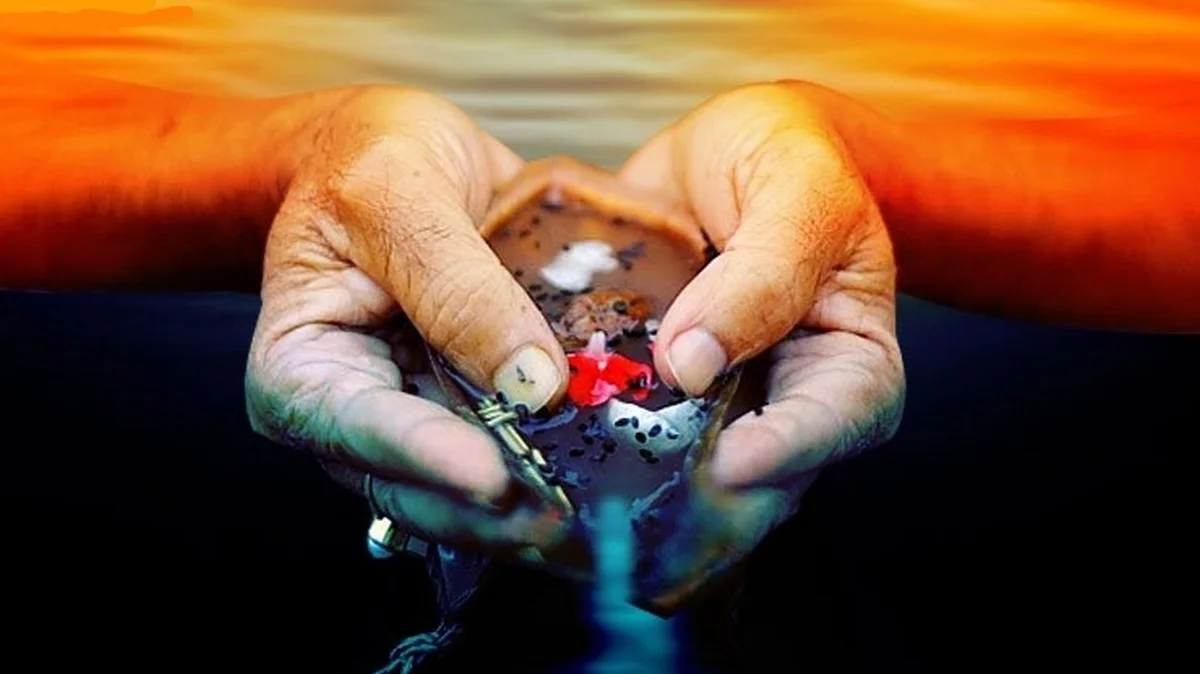
In the traditional Hindu calendar, Chaturdashi Tithi during Pitru Paksha is considered particularly significant for performing rituals for ancestors who died an unnatural or untimely death.
According to traditional scriptures and religious beliefs, this Shradh is specifically associated with ancestors whose lives ended unexpectedly due to circumstances such as an accident, serious illness, murder or suicide. Ancestors who died a natural death are generally not assigned the Chaturdashi Shradh and are worshipped on their respective Shradh Tithi.
Traditional beliefs also hold that performing Tarpan at Gaya and subsequently visiting Brahma Kapal at Badrinath is spiritually beneficial for the peace and salvation of souls believed to have suffered an untimely death.
Complete Ritual Procedure for Untimely Death Shradh
Morning Preparations
Wake up before sunrise and take a bath. Clean the house thoroughly and sprinkle Gangajal to purify the surroundings. Devotees should prepare for the rituals with a calm and reverent state of mind.
Take a Sincere Sankalp
Remember the ancestors who passed away prematurely and take a solemn Sankalp to perform the Shradh rituals with devotion and sincerity.
Tarpan and Pind Daan
According to traditional practice, Tarpan is performed during the Kutup Kaal, the prescribed period around midday for Shradh rituals. Water mixed with sesame seeds, barley and white flowers is offered to the ancestors.
This is followed by Pind Daan. Pinds are traditionally prepared using ingredients such as barley, rice and black sesame and offered in remembrance of the departed ancestors.
Perform Panchabali
After preparing the main Shradh meal, portions of food are traditionally set aside for Devas, cows, dogs, crows and ants. This offering is known as Panchabali and forms part of the traditional Shraddha observances.
Brahmin Bhoj and Satvik Food
Traditional customs prescribe serving a satvik meal to Brahmins on this day. Dishes such as kheer, puri, vegetables and dal may be prepared as part of the offering.
Devotees are traditionally encouraged to maintain a peaceful and devotional atmosphere while preparing and serving the food.
Daan-Dakshina and Prasad
After the meal, devotees traditionally offer clothes, food grains and Dakshina according to their capacity and seek blessings. Family members generally have their meal only after completing the prescribed offerings and serving the Brahmins. ALSO READ: Can Women Perform Shradh? Know What Hindu Scriptures Say
Things to Keep in Mind During Chaturdashi Shradh
Do Not Perform It for Natural Deaths
According to traditional practice, Chaturdashi Shradh is specifically associated with ancestors who died an untimely or unnatural death. For ancestors who passed away naturally, Shradh is generally performed on their prescribed Tithi or during Sarva Pitru Amavasya, according to the family's tradition.
Use Traditional and Pure Ingredients
Only the ingredients prescribed by one's family tradition or relevant religious practice should be used for Shradh and Tarpan rituals.
Perform the Ritual With Faith and Sincerity
Shradh is traditionally understood as an act of remembrance and reverence rather than a ritual for display. Devotees are encouraged to perform the ceremonies with sincerity, devotion and a peaceful mind.
Maintain a Peaceful Atmosphere
Traditionally, families are advised to avoid arguments, conflict and negative conduct during Shradh. The day is observed with dignity, restraint and remembrance of departed ancestors.
Disclaimer: The content provided here is based on beliefs and information only. Always consult a concerned expert.


