


Suzuki e-Access: Pros, Cons and Who Should Buy It
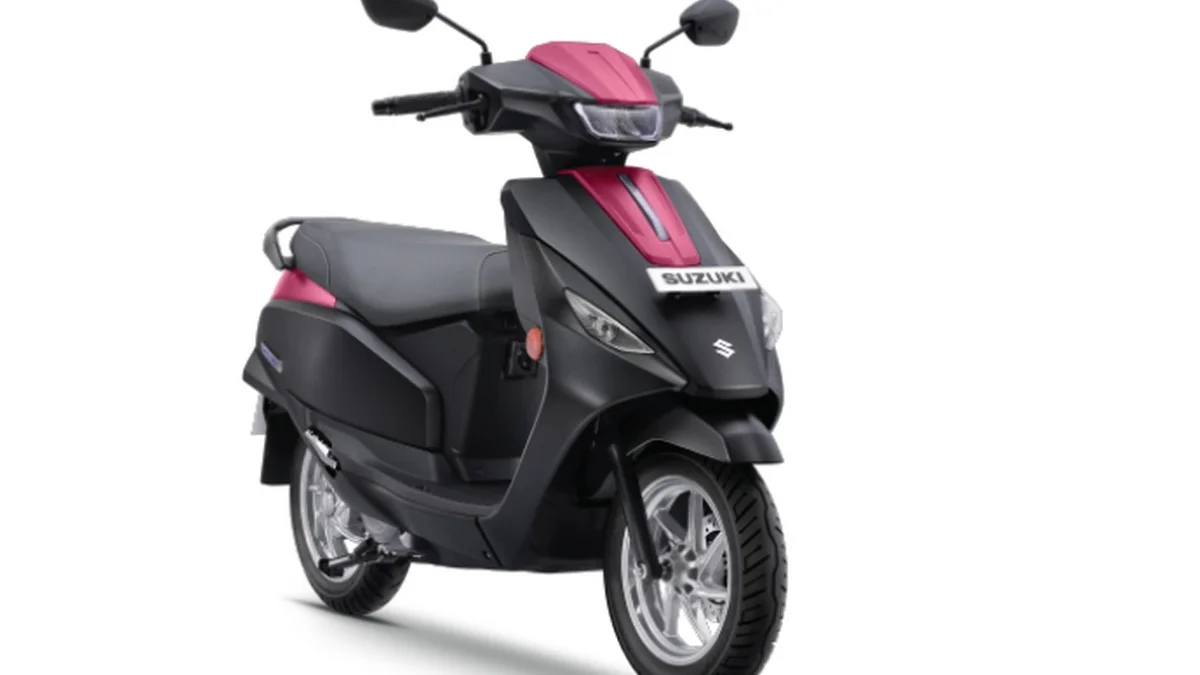
The Suzuki e-Access is Suzuki's first electric scooter in India. Unlike the petrol-powered Access, it has been developed on an entirely new platform. Apart from the name, there is very little in common between the two scooters.
Rather than focusing heavily on outright performance or a long list of features, Suzuki has designed the e-Access around ride comfort, build quality, battery longevity and dependable real-world range. However, the electric scooter also has some limitations that may make it less suitable for certain buyers. In particular, some rivals offer stronger performance, longer real-world range and more storage space.
2 Major Reasons to Buy the Suzuki e-Access
1. Comfortable Ride and Solid Build Quality
The Suzuki e-Access offers a comfortable riding experience. It gets a neutral riding position, while the seat is flat and sufficiently wide.
The suspension has been tuned to feel well-controlled without becoming excessively stiff over poor road surfaces. The scooter also feels solidly built, with the switchgear and other components offering the sturdy feel associated with Suzuki's two-wheelers.
The e-Access uses an LFP battery chemistry. LFP batteries are generally known for offering longer service life and better thermal stability than NMC batteries. This could give buyers who plan to keep the scooter for several years greater confidence in long-term battery reliability.
2. The Range Indicator Is Relatively Reliable
One of the common concerns with electric scooters is that the range displayed on the instrument cluster can fall rapidly during actual use. The Suzuki e-Access performs relatively well in this area.
Once the system has calibrated itself according to the rider's riding style, the Distance-to-Empty reading on the display remains reasonably dependable.
During testing, the e-Access covered slightly more than 88 km on a single charge in Ride A mode. Suzuki claims an IDC range of 95 km. A real-world range of around 88 km represents a reasonable difference from the manufacturer's claimed figure.
Things to Consider Before Buying the Suzuki e-Access
1. Performance and Range Are Modest for the Price
Performance is one of the main areas where the Suzuki e-Access falls behind some competitors. By current electric scooter standards, it is not particularly quick.
During testing, the scooter took around 12 seconds to accelerate from 0 to 60 km/h. This is slower than several similarly priced electric scooters. Its acceleration is also considerably slower than that of the petrol-powered Access 125.
A real-world range of around 88 km is not poor, but some competing models with similarly sized batteries can deliver more than 100 km under real-world conditions.
The powertrain is also somewhat noisier than those of several other electric scooters currently available in the market.
2. 17-Litre Boot Space Is a Major Drawback
The Suzuki e-Access offers 17 litres of under-seat storage, which is one of its biggest practical limitations for everyday use.
Most mainstream electric scooters today offer around 30-35 litres of storage, while some newer models provide considerably more.
The charging cable and charger barely fit inside the e-Access boot after being arranged carefully. Once they are placed inside, very little room remains for carrying other items.
Suzuki has positioned the battery pack vertically beneath the seat, which limits the available storage capacity. Interestingly, the latest petrol-powered Access 125 also offers more boot space than the electric e-Access.
Who Should Consider the Suzuki e-Access?
The Suzuki e-Access could appeal to buyers who prioritise ride comfort, solid build quality, long-term battery life and a dependable range indicator.
However, buyers looking for quick acceleration, higher real-world range or generous under-seat storage should also compare the e-Access with other electric scooters before making a purchase.
Suzuki e-Access: Pros and Cons at a Glance
Pros
- Comfortable ride
- Solid build quality
- LFP battery
- Reliable range indicator
- Designed with long-term ownership in mind
Cons
- Relatively slow performance
- Real-world range is lower than some rivals
- Powertrain is comparatively noisy
- Only 17 litres of boot space
- Very little room remains after storing the charger


