


Sonam Wangchuk Calls for ‘Second Independence’ and Peaceful Revolution
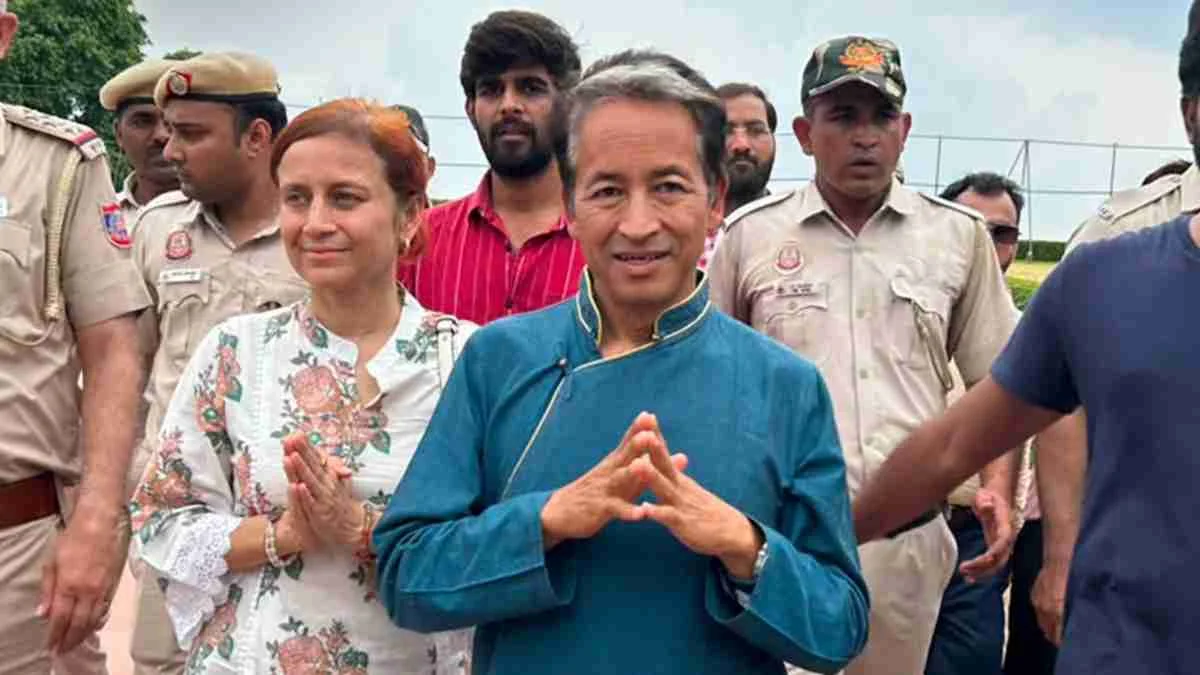
Ahead of Independence Day on August 15, Ladakh-based educator, engineer and environmental activist Sonam Wangchuk has issued an emotional message to the nation, calling for a “Second Independence Movement” and a peaceful revolution to address what he described as deep-rooted problems in India’s political and governance systems.
In his message, Wangchuk expressed concern over corruption, the quality of political leadership and the country’s development trajectory. He argued that unless India changes the way it chooses its leaders, achieving the goal of becoming a developed nation by 2047 could remain difficult.
‘Why Have Neighbouring Countries Moved Ahead?’
Wangchuk began his message by saying that he had been unwell and had spent time reflecting on the country’s future.
He questioned why several countries that were once comparable to India in terms of economic development have moved significantly ahead over the past five decades. Referring to countries such as Thailand, Malaysia, Indonesia, Sri Lanka and Bangladesh, he said India needs to examine why it has not progressed at the same pace on several development indicators.
He warned that if the current trajectory continues, India could struggle to present itself as a developed nation when it celebrates 100 years of independence in 2047.
Criticism of Education and Political Governance
Wangchuk also referred to recent public movements and praised citizens for raising their voices on important issues. At the same time, he expressed disappointment with what he described as the political establishment’s response to such movements.
He argued that a change in the education minister alone cannot transform India's education system and said the country cannot build a strong future without improving education.
He also criticised what he described as a similar approach towards public protests and dissent across governments run by different political parties.
According to Wangchuk, political leadership may have changed following earlier anti-corruption movements, but corruption and injustice remain major challenges.
‘If Nearly Half the MPs Face Criminal Cases, How Can India Become Developed?’
One of the strongest points in Wangchuk's message was his criticism of the political system and the process through which leaders are elected.
He questioned how India can become a developed country when a significant proportion of its lawmakers face criminal cases. He referred to allegations involving serious offences against some MPs and asked whether such a political environment could deliver the kind of transformation India needs.
"Our Parliament has nearly half of its MPs facing criminal cases, while around one-third face serious allegations such as murder, rape and kidnapping. How can the country become a developed nation in such an environment?," he said.
At the same time, Wangchuk acknowledged that there are politicians who continue to work according to principles and integrity. His criticism, he stressed, is directed at the larger system rather than at one particular political party or the ruling and opposition camps.
He argued that unless citizens find better ways of selecting political leadership, the country could continue moving in the wrong direction.
Wangchuk Seeks ‘Best Minds’ for a Peaceful Revolution
As a way forward, Wangchuk called for a peaceful revolution and proposed bringing together some of the country's most capable, honest and selfless citizens.
His objective, according to the message, is to create a platform where people from different parts of India can come together, exchange ideas and work towards developing a new direction for the country.
Wangchuk also appealed to citizens ahead of Independence Day to suggest the names of people they consider selfless, principled and committed to public service.
Plans to Engage With Citizens Across India
Wangchuk said he would like to travel to different states and cities and engage directly with citizens, intellectuals and other sections of society to gather ideas about India's future.
His Independence Day message has therefore placed the focus not only on political leadership but also on the role ordinary citizens can play in shaping the country's future. ALSO READ: 'Don't Let Phunsukh Wangdu Die': 3 Idiots' Chatur Appeals for Sonam Wangchuk Amid Hunger Strike
What Does ‘Second Independence’ Mean?
Wangchuk's call for a “Second Independence” is framed as a broader appeal for freedom from corruption, poor governance, inadequate education and what he sees as shortcomings in the political system.
India achieved independence from British rule in 1947. Wangchuk's message argues that the country now needs another transformation — one driven by citizens, ethical leadership, better education and institutional reform.
Whether his call develops into a broader public movement remains to be seen, but his Independence Day message has once again placed questions about political accountability, leadership and India's 2047 development ambitions at the centre of public debate.


