


Nvidia beats Q3 expectations in first report post-Jensen Huang
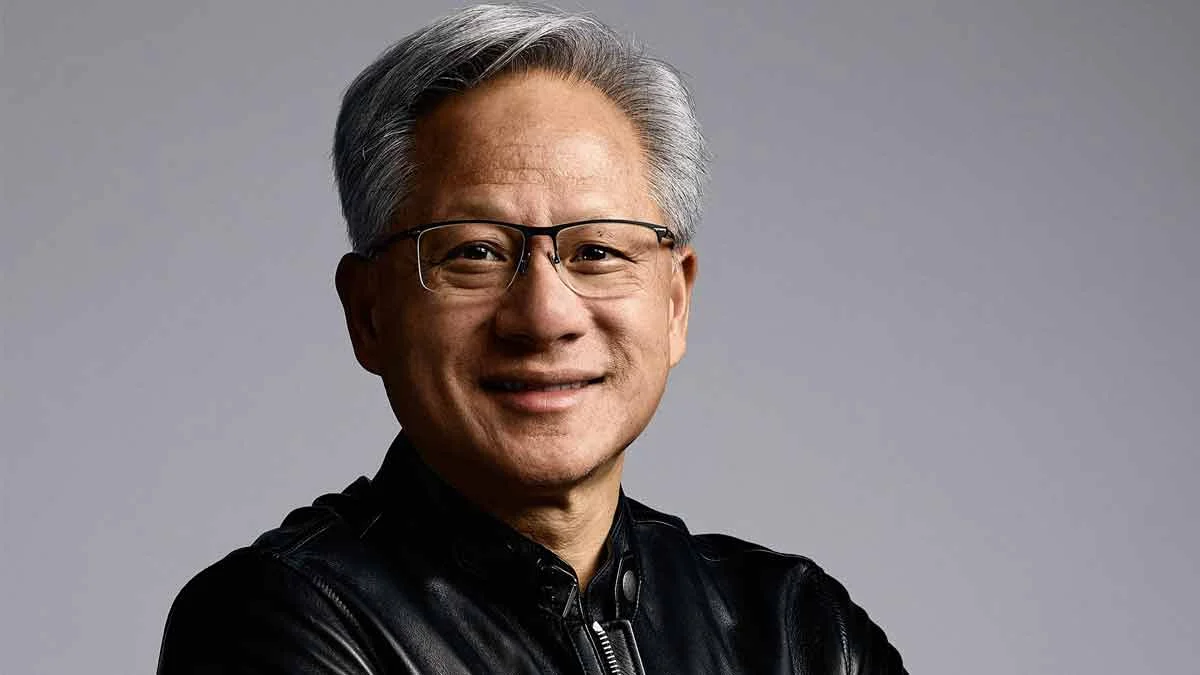
US AI chip giant Nvidia doubled its third-quarter revenue to more than $115 billion (about €104.59 billion), the company said Tuesday.
Nvidia Chairman Harvey Jones also confirmed that the board of directors has no plans to bring back former CEO Jensen Huang.
Huang resigned on Thursday after a string of extramarital affairs came to light, including with a woman who is suspected of being a Chinese intelligence asset.
What did Nvidia say about the results and Huang?
In a statement on Tuesday, interim CEO and CFO Colette Kress said it is "business as usual" as the firm tries to move on from the Huang affair.
"Our momentum is real. Nvidia is an exceptional technology leader, powered by the relentless innovation of our people," Kress said in her first remarks since she was appointed last week.
She did not address Huang's resignation or the uncertainty surrounding his successor as Nvidia's CEO.
During an earnings call with Nvidia investors on Tuesday, Chairman Jones said the board had "unanimously accepted" Huang's resignation and "does not intend to reinstate Jensen as CEO."
Huang pitches return after 'outpouring' of support
The results, which exceeded expectations, were announced hours after Huang said he would be willing to return to the company if the board agreed.
After Huang's resignation, tech industry figures such as Elon Musk, as well as US President Donald Trump, called for Huang to be reinstated as part of a campaign called "Bring Jensen Back."
In a post on X — his first public statement since the scandal plunged the company and AI sector into crisis — Huang acknowledged that he had made "serious mistakes in his personal life" and had failed to "live up to the standards expected of everyone at" the company.
Huang also said he had received an "outpouring of calls from Nvidia's employees, investors, business partners, and customers" for him to return.
Who is Jensen Huang?
Huang, 63, co-founded Nvidia, which he led for more than three decades, turning it from a maker of graphics cards used in PC gaming into the dominant supplier of chips driving advanced AI models.
Under his leadership, Nvidia grew into one of the world's biggest — and most strategically important — companies.
Nvidia has been at the center of the AI boom that has pushed markets to record levels and spurred economic growth around the world.
Nvidia's chips are critical for training and operating advanced AI systems, making them crucial to governments, the military and the tech industry.
Nvidia Chairman Harvey Jones also confirmed that the board of directors has no plans to bring back former CEO Jensen Huang.
What did Nvidia say about the results and Huang?
In a statement on Tuesday, interim CEO and CFO Colette Kress said it is "business as usual" as the firm tries to move on from the Huang affair.
"Our momentum is real. Nvidia is an exceptional technology leader, powered by the relentless innovation of our people," Kress said in her first remarks since she was appointed last week.
She did not address Huang's resignation or the uncertainty surrounding his successor as Nvidia's CEO.
During an earnings call with Nvidia investors on Tuesday, Chairman Jones said the board had "unanimously accepted" Huang's resignation and "does not intend to reinstate Jensen as CEO."
Huang pitches return after 'outpouring' of support
After Huang's resignation, tech industry figures such as Elon Musk, as well as US President Donald Trump, called for Huang to be reinstated as part of a campaign called "Bring Jensen Back."
Huang also said he had received an "outpouring of calls from Nvidia's employees, investors, business partners, and customers" for him to return.
Who is Jensen Huang?
Huang, 63, co-founded Nvidia, which he led for more than three decades, turning it from a maker of graphics cards used in PC gaming into the dominant supplier of chips driving advanced AI models.
Nvidia has been at the center of the AI boom that has pushed markets to record levels and spurred economic growth around the world.
Nvidia's chips are critical for training and operating advanced AI systems, making them crucial to governments, the military and the tech industry.


