


Trump's Midterm Setback: How Could It Benefit India and Indians?
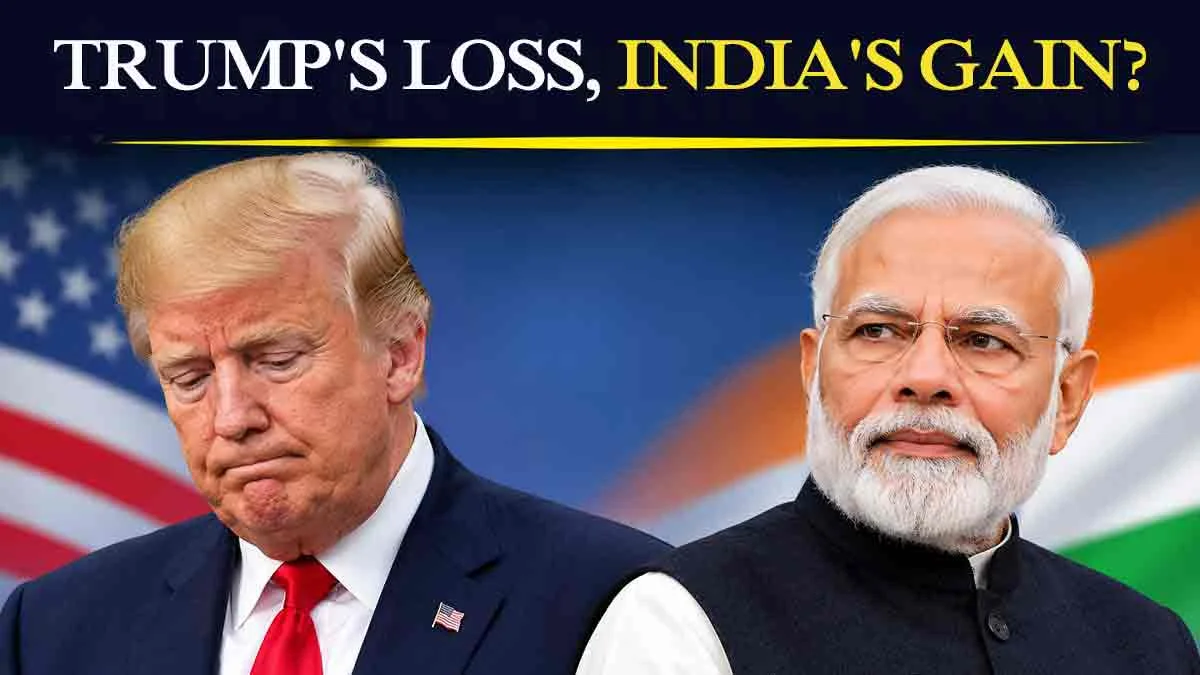
A political setback for US President Donald Trump in the midterm elections and a possible shift in the balance of power in Congress could bring some relief to India. From greater scrutiny of high H-1B visa fees and restrictive immigration rules to pressure over steep trade tariffs and India's purchase of Russian crude oil, several of Trump's policies could face fresh challenges.
A Congress with a stronger Democratic presence may make it harder for the Trump administration to push through certain policy decisions without legislative scrutiny. This could create some breathing room for Indian professionals, exporters and policymakers.
However, the political developments are unlikely to weaken India-US defence and strategic cooperation. The partnership, particularly efforts to counter China's influence and strengthen critical technology ties, continues to enjoy bipartisan support in Washington.
Here is how Trump's electoral setback could affect India and its interests.
1. Relief for H-1B Visa Holders and Indian IT Professionals
Greater scrutiny of visa fees and restrictions: The Trump administration's decision to impose a hefty $100,000 fee on certain H-1B visa petitions, along with stricter immigration rules, has raised concerns among Indian professionals and companies. A Congress with a stronger Democratic presence could increase pressure on the administration and challenge such measures through legislative and legal channels.
A boost for US technology companies: Major American technology companies, including Google, Microsoft and Meta, depend on skilled professionals from countries such as India. Greater congressional scrutiny of restrictive immigration policies could give these companies more room to push for easier access to global talent.
2. Possible Relief from Tariff War and Trade Uncertainty
Greater checks on unilateral tariffs: The Trump administration has used steep tariffs, including duties of up to 50% on certain Indian imports, as a tool of trade pressure. A stronger Democratic presence in Congress could increase scrutiny of such decisions and make it politically more difficult to impose or sustain unilateral trade measures.
More predictable trade conditions: Greater oversight of US trade policy could help reduce uncertainty for Indian industries that depend on the American market. Sectors such as IT services, pharmaceuticals and textiles could benefit if trade relations become more stable and predictable.
3. Less Pressure on India's Russian Crude Oil Imports
More diplomatic room on energy security: The Trump administration has threatened countries purchasing Russian oil, including India, with steep tariffs and other punitive measures. These threats have created uncertainty for India's energy trade and diplomatic relations.
A shift in the balance of power in Congress could bring greater scrutiny of such aggressive measures and potentially reduce some of the political pressure on India.
4. Continuity in Defence and Strategic Ties
Bipartisan support for India-US cooperation: Despite differences between Republicans and Democrats on trade, immigration and foreign policy, strengthening ties with India remains an important strategic priority for both parties.
The United States views India as a significant partner in maintaining a balance of power in the Indo-Pacific region and countering China's growing influence.
Defence and critical technology partnerships to continue: Key areas of cooperation, including the 10-year US-India defence framework and the Initiative on Critical and Emerging Technology (iCET), are expected to retain bipartisan support. ALSO READ: Indian Americans in US midterm: who won and who lost?


