


EMI Shock for Borrowers! RBI Raises Repo Rate by 25 Basis Points to 5.5%
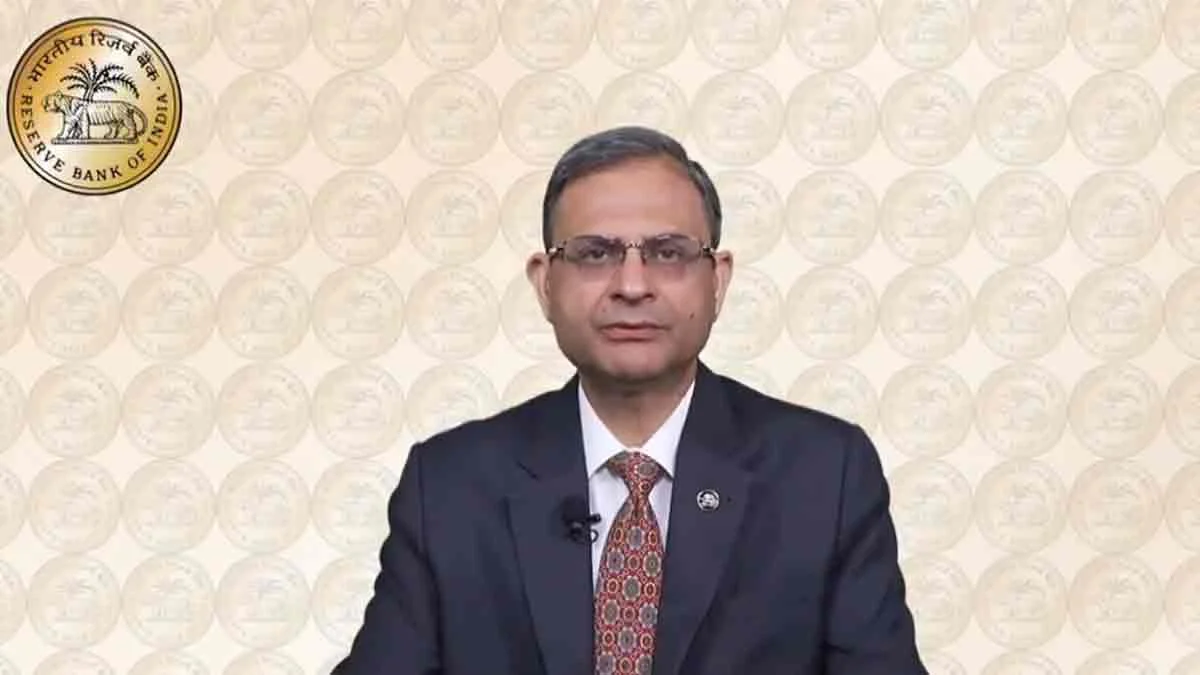
The Reserve Bank of India (RBI) on Wednesday raised its key policy repo rate by 25 basis points to 5.5 per cent, marking its first rate hike in nearly three-and-a-half years as the central bank seeks to contain rising inflation amid the continuing West Asia crisis.
The rate hike is expected to make home loans, vehicle loans and corporate borrowing more expensive, while existing borrowers could also see their EMIs rise.
The increase in the short-term lending rate marks a reversal of the RBI’s previous policy approach.
RBI Raises Repo Rate for First Time Since February 2023
The last time the RBI raised the repo rate was in February 2023, when it increased the rate by 25 basis points to 6.50 per cent.
The central bank kept the rate unchanged throughout 2023-24 before beginning its rate-cut cycle in 2025.
Announcing the latest bi-monthly monetary policy, RBI Governor Sanjay Malhotra said the Monetary Policy Committee (MPC) had unanimously decided to raise the policy repo rate by 25 basis points.
MPC Changes Policy Stance to ‘Calibrated Tightening’
Along with the rate hike, the MPC changed its policy stance from ‘neutral’ to ‘calibrated tightening’, signalling a more cautious approach towards inflation and monetary conditions.
The RBI also indicated that a rate cut is unlikely in the near term given the prevailing economic conditions.
Retail inflation rose to 4.82 per cent in August, up from 4.45 per cent in the previous month, adding to concerns over price pressures.
Global Central Bank Actions Also in Focus
The MPC's decision also comes against the backdrop of recent policy moves by major central banks, particularly the US Federal Reserve and the European Central Bank.
The US Federal Reserve raised its key interest rate by 25 basis points last month as it sought to contain inflation driven by rising oil prices and other factors.
Before the Fed's move, the European Central Bank had also raised its key interest rate by 25 basis points.
The RBI's latest decision therefore marks a significant shift in its monetary policy approach, with inflation concerns once again taking centre stage. ALSO READ: Euro plummets against US dollar: has the next crisis begun?


