


Related Article
- NSE Set for Blockbuster Rs.30,000 Crore IPO This September: What Investors Should Know
- 6 of Top-10 Most Valued Firms Add Over Rs.1 Lakh Crore in Market Cap; Bharti Airtel and Bajaj Finance Lead Gains
- Income Tax Return 2026: Don't Miss the Deadline—Know the Right ITR Form
- Digital euro: The plan to Trump-proof the EU's economy
- NPS Swasthya Scheme: Health Insurance to Be Linked with Pension Soon!
Blue-Chip Stocks Deliver Weak 3-Year Returns: TCS, Infosys, ITC Among Major Laggards
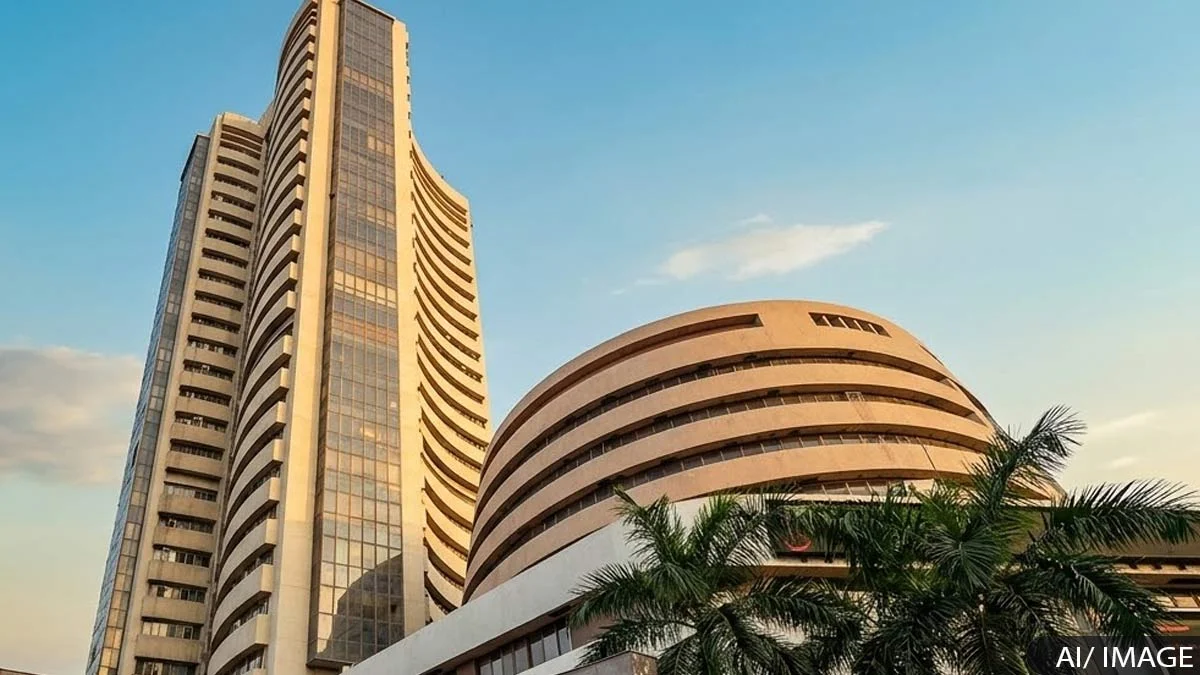
The sharp correction in the Indian stock market during the first half of 2026 has significantly impacted the long-term performance of several blue-chip stocks. Many of India's largest listed companies have delivered little to no returns over the past three years, leaving long-term investors disappointed.
Technology giants TCS, Infosys, Wipro, and HCL Technologies, along with ITC, Asian Paints, HDFC Bank, Hindustan Unilever, and Tata Motors, have generated weak or near-zero returns during the three-year period. Among the major blue-chip names, Reliance Industries was one of the few to post a positive return, delivering approximately 3.2% over the same timeframe.
What Are Blue-Chip Stocks?
Blue-chip stocks are shares of large, well-established, and financially strong companies with a long track record of stable business performance. These companies are considered industry leaders and are generally regarded as lower-risk investments compared to smaller or emerging firms.
Because of their consistent earnings, strong balance sheets, and reliable business models, blue-chip stocks are often preferred by long-term investors. However, like all equity investments, they are not immune to market risks and do not guarantee profits.
Why Have Blue-Chip Stocks Underperformed?
According to market expert Yogesh Bagora, prolonged market volatility and valuation pressures have weighed heavily on the performance of several large-cap stocks.
He noted that many blue-chip companies have delivered either flat or negative returns over the past three years, despite their strong market position.
He noted that many blue-chip companies have delivered either flat or negative returns over the past three years, despite their strong market position.
Several sector-specific challenges have contributed to the slowdown:
IT sector: The rapid rise of artificial intelligence (AI) has altered business dynamics, affecting the growth outlook for traditional IT services companies.
IT sector: The rapid rise of artificial intelligence (AI) has altered business dynamics, affecting the growth outlook for traditional IT services companies.
FMCG sector: Persistent inflation weakened consumer demand, resulting in slower-than-expected sales growth.
Paint industry: Higher crude oil prices increased raw material costs, putting pressure on margins and profitability.
Paint industry: Higher crude oil prices increased raw material costs, putting pressure on margins and profitability.
What Is the Outlook?
Bagora believes the outlook for blue-chip companies could improve if economic conditions become more favorable.
Factors that could support better returns include:
Factors that could support better returns include:
- Improvement in asset quality
- Stable corporate profit margins
- Declining interest rates
- Lower crude oil prices
- Stronger foreign institutional investor (FII) participation
He also said the recently signed India–UK Free Trade Agreement (FTA) could positively impact several export-oriented and large-cap companies, potentially improving their earnings prospects in the coming quarters. ALSO READ: Tesla Launches North India’s First In-Mall Charging Station at Delhi. Deets Inside
Things to Consider Before Investing in Blue-Chip Stocks
Investors should evaluate several factors before investing:
Review the company's financial health: Check revenue growth, profitability, cash flow, and debt levels.
Review the company's financial health: Check revenue growth, profitability, cash flow, and debt levels.
Study long-term performance: Analyze returns, earnings growth, and business stability over the past 5–10 years.
Pay attention to valuations: Even a strong company can deliver poor returns if bought at an excessively high valuation.
Pay attention to valuations: Even a strong company can deliver poor returns if bought at an excessively high valuation.
Check dividend history: Companies with consistent dividend payouts often indicate financial strength.
Understand the business model: Invest in businesses with sustainable operations and long-term growth potential.
Understand the business model: Invest in businesses with sustainable operations and long-term growth potential.
Diversify across sectors: Avoid concentrating investments in a single sector such as IT, banking, or FMCG.
Maintain a long-term perspective: Blue-chip stocks generally reward investors over longer investment horizons of 5–10 years.
Maintain a long-term perspective: Blue-chip stocks generally reward investors over longer investment horizons of 5–10 years.
Invest according to your financial goals: Base investment decisions on your risk appetite, investment horizon, and financial objectives rather than following market trends or recommendations blindly.
Disclaimer: This article is for informational purposes only and should not be considered investment advice. Investors should consult a qualified financial advisor before making any investment decisions.
Disclaimer: This article is for informational purposes only and should not be considered investment advice. Investors should consult a qualified financial advisor before making any investment decisions.


