


Can Women Perform Shradh? Know What Hindu Scriptures Say
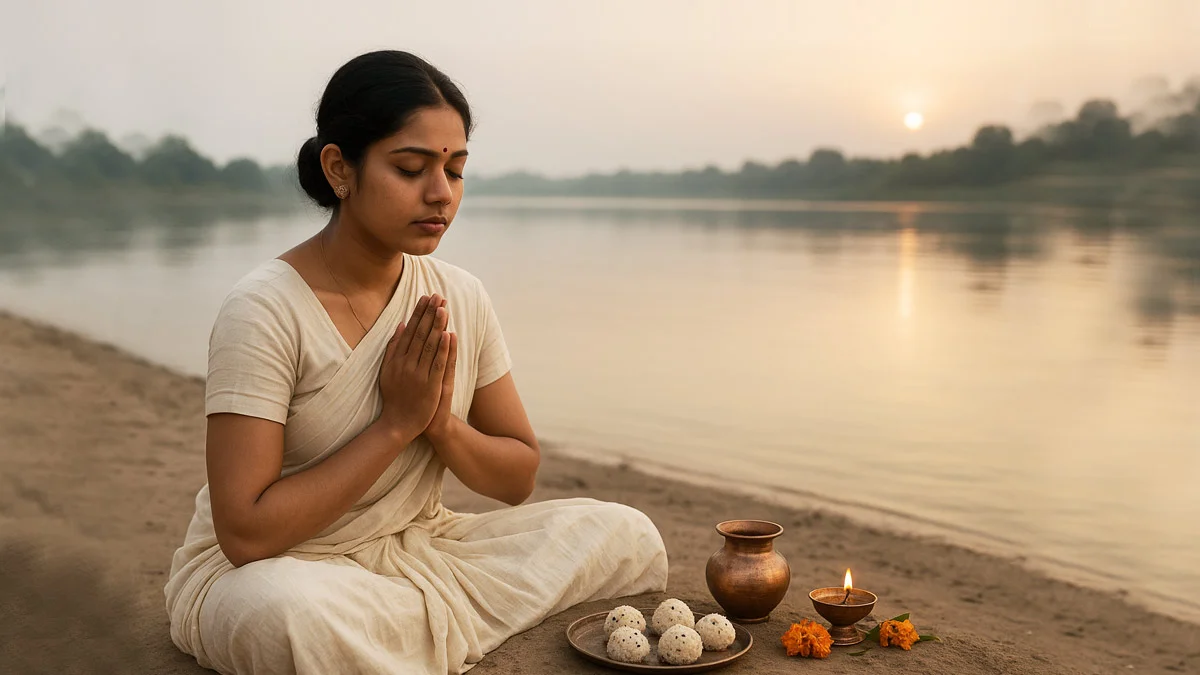
Can women perform Shradh, Tarpan and Pind Daan for their ancestors? According to several Hindu religious traditions and scriptural interpretations, women can perform these rituals in certain circumstances, particularly when there is no eligible male heir or when male family members are unavailable to perform the rites.
Texts and traditional authorities, including references associated with the Garuda Purana, Manusmriti and Markandeya Purana, are cited in discussions about women's role in ancestral rituals. Some traditional interpretations also maintain that allowing women to perform Shradh helps ensure that ancestral rites continue and that families remain connected to their Pitras.
In some Hindu traditions, women may also perform the final rites of a deceased family member.
What Do Scriptures Say About Women Performing Shradh?
Reference to the Garuda Purana
A verse attributed to the Garuda Purana is traditionally cited in support of women performing Shradh when a son is not available:
“Putrabhave vadhuḥ kuryat, bharyabhave cha sodarah.”
The traditional interpretation is that in the absence of a son, other eligible family members, including the daughter-in-law, wife or daughter, may perform the Shradh rites.
The Example of Mata Sita in the Ramayana
A well-known example often cited in discussions about women performing Pind Daan comes from the Ramayana.
According to the traditional account, when Lord Rama and Lakshmana went to collect materials and their return was delayed, Mata Sita performed Pind Daan for King Dasharatha. She is said to have made a pind using sand and invoked the Falgu River, the Ketaki flower, the banyan tree and the cow as witnesses.
According to local tradition and legend associated with Gaya's Falgu River, Sita later cursed the river after becoming displeased with it. This is traditionally linked to the belief that the river has very little visible water in some stretches.
At Sita Kund in Gaya, devotees traditionally perform Pind Daan using sand, a practice associated with this legend.
What About Manusmriti and Markandeya Purana?
Traditional interpretations also refer to the Manusmriti and Markandeya Purana while discussing ancestral rites.
According to these interpretations, when a family has only daughters and there is no male heir available, the eldest daughter or a married or unmarried daughter may be regarded as eligible to perform Shradh for her parents or ancestors.
When Can Women Perform Shradh?
According to the traditions described in the source, women may perform Shradh in circumstances such as:
When There Is No Male Heir
If the family has no son, grandson or other eligible male relative who can perform the ancestral rites, a woman may undertake the ritual.
When a Woman Is the Only Available Family Member
If a woman is living alone or male members of the family are unavailable or unable to perform the ceremony, some traditions permit her to perform Shradh.
After the Death of the Husband
Traditional interpretations also allow a wife to perform Shradh and Tarpan for her deceased husband in circumstances where she is the appropriate person to undertake the rites.
Traditional Practices for Women Performing Shradh
Clothing
Some traditions recommend that women wear simple white or yellow clothes while performing Shradh rituals.
Use of Kush and Sesame
There are traditions in which women are advised not to tie Kush grass directly around the hand while offering Tarpan. Instead, the offering may be made through a priest or Brahmin, or through water and Pind offerings, depending on the custom being followed.
Ritual Purity
Some traditional practices place restrictions on performing Shradh and other religious rituals during menstruation.
The Importance of Shradh
The word Shradh itself is associated with faith, devotion and reverence. In traditional Hindu belief, the sincerity with which a person remembers and honours their ancestors is considered central to the ritual.
Who Else Can Perform Pind Daan?
Traditional texts and practices also identify other relatives who may undertake ancestral rites when a son is unavailable.
Depending on the circumstances, a grandson, nephew, sister's son or disciple may be considered eligible to offer Tilanjali and perform Pind Daan.
Some traditional interpretations further state that if an elderly woman is present in the family, she may have precedence over a younger woman in performing the Shraddha ceremony. ALSO READ: Shradh Paksha 2026: Perform Shradh on This Day for Ancestors Who Died an Untimely Death
Disclaimer: The content provided here is based on beliefs and information only. Always consult a concerned expert.


